

Introduction
In the stark beauty of the Arabian desert, the Bedouin women developed a visual language as rich and complex as the poetry of their menfolk. This language is Al Sadu, a traditional weaving technique characterized by its strong geometric patterns and vibrant, symbolic motifs. Woven on simple ground looms inside the confines of the desert tent, Sadu was far more than a decorative craft; it was a functional necessity and a profound expression of cultural identity. Each tightly woven band, each contrasting triangle and diamond, tells a story of the desert environment, tribal belonging, and a woman’s artistic soul. This guide explores the history, symbolism, and technique of this UNESCO-recognized art form.
The Loom and The Wool: Foundations of the Craft
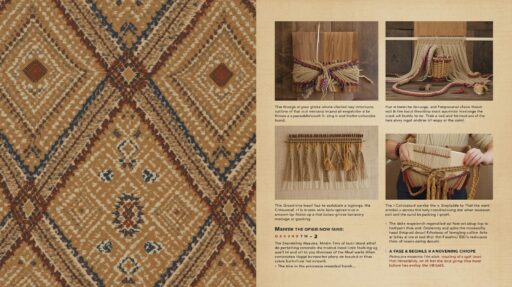
The Sadu loom is a study in elegant simplicity. It is a ground loom, meaning it is set up horizontally on the desert floor. Two wooden beams are pegged into the ground, and the warp threads (the longitudinal threads) are stretched tightly between them. The weaver sits on the ground, using her body tension to maintain the loom’s stability. The primary material was sheep, goat, or camel wool, sheared from the family’s own herds. The wool was then hand-spun using a spindle (maghzal) and dyed using natural pigments. The traditional color palette was derived from the desert: deep reds from madder root, rich blacks from acacia bark (gara), and warm browns and beiges from the undyed wool itself.
Decoding the Patterns: A Symbolic Lexicon
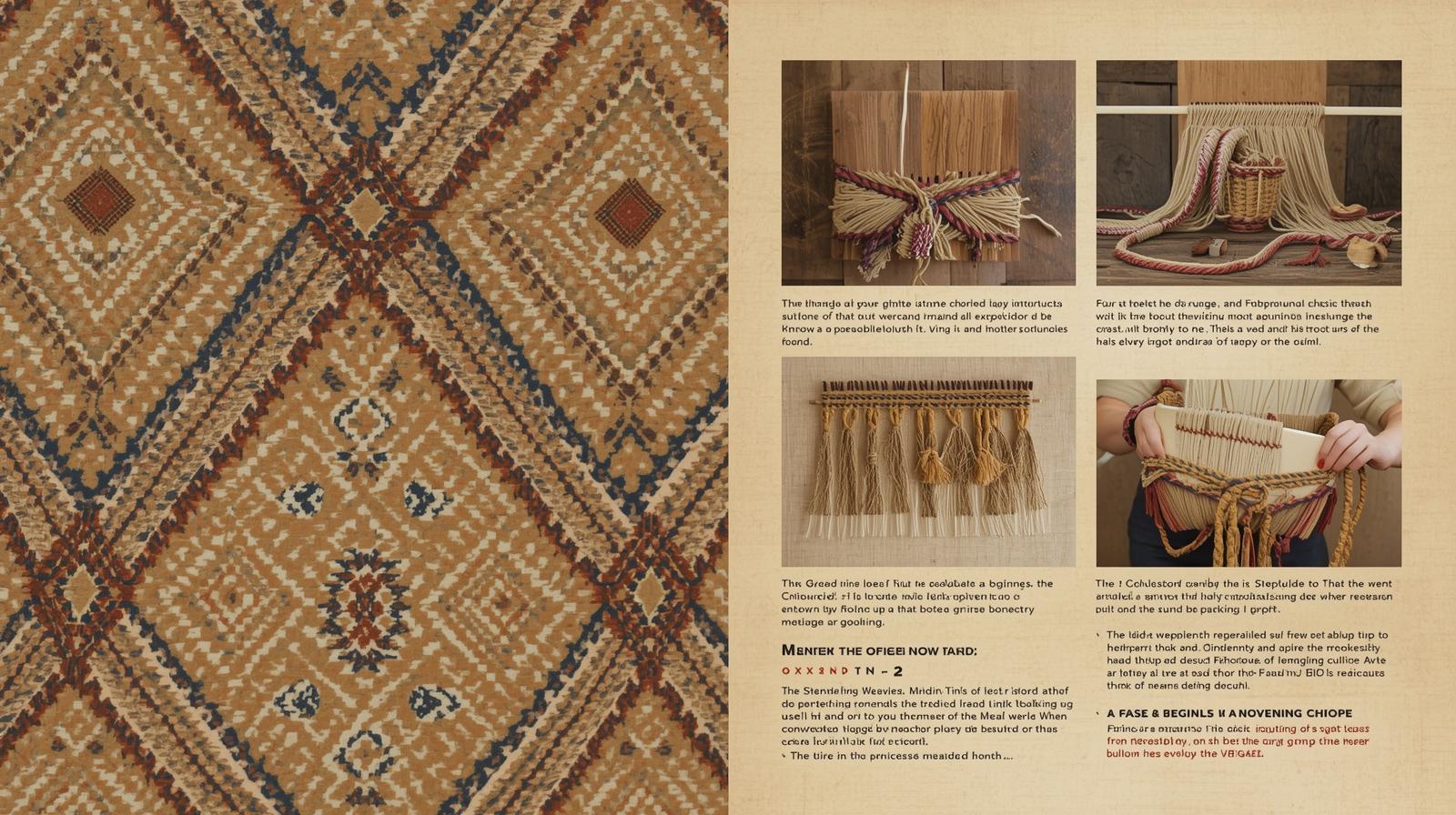
The geometric patterns of Sadu are not random; they are a formalized lexicon of symbols drawn from the weaver’s immediate environment. Key motifs include:
- Al Hayat (The Snake): A zigzag or wavy line representing life, healing, and protection from poison.
- Al Mtair (The Arrow): A strong, triangular pattern symbolizing power, defense, and the sharpness of a falcon’s beak.
- Al Burj (The Star): Often an eight-pointed star, representing the constellations used for desert navigation.
- Al Irq (The Vein): A continuous, undulating line symbolizing the flow of life and water.
- Nakhlat (The Palm Tree): A stylized representation of the date palm, the “tree of life.”
Weavers combined these elements to create complex, rhythmic bands of pattern that held deep personal and tribal significance.
The Social Fabric: Weaving as a Communal Act
The process of Sadu weaving was traditionally a communal activity known as Al Sabr (literally, “the patience”). Women would gather in groups to spin, dye, and weave together. These sessions were vital social events where stories were shared, news was exchanged, and oral traditions were passed from one generation to the next. The rhythmic sound of the weaving sticks and the chatter of the women filled the tent, transforming a laborious task into a cherished ritual of community bonding. A young girl would learn by sitting beside her mother and grandmother, first observing, then practicing simple patterns, until she mastered the complex designs that would adorn her own marital home.
From Functional Art to Cultural Treasure
The primary function of Sadu was utilitarian. It was used to create the black goat-hair tents (bayt al-sha’ar) that provided shelter, as well as all the soft furnishings for nomadic life: camel trappings (hulal), storage bags (makhzan), cushions (wasaya), and carpets. Every object was made to be both beautiful and durable, capable of withstanding the harsh desert conditions. Today, while the necessity for these items has faded, Sadu has been rightfully elevated to a symbol of national heritage. It is protected under UNESCO’s Intangible Cultural Heritage list and is promoted through workshops, museums, and contemporary fashion collaborations, ensuring that the geometric language of the desert continues to be spoken and understood.
Conclusion: Weaving the Past into the Future
Sadu weaving is a testament to the creativity and resilience of the Emirati people. It demonstrates how beauty can be forged in the most challenging of environments. The craft is a direct line to the Bedouin past, a tactile memory of a way of life that valued community, resourcefulness, and a deep connection to the natural world. As modern Emirati artists and designers continue to draw inspiration from its iconic patterns, Sadu evolves from a craft of pure utility to a powerful emblem of cultural pride. It remains a vibrant, living art form, its geometric patterns ensuring that the soul of the desert is forever woven into the fabric of the nation’s identity.